The Human Quotient Lab
At the Human Quotient Lab, we design effective, inclusive, and human‑centered methods, tools, interfaces, and systems that address challenges of broad societal importance — for example, fostering appropriate reliance on AI, understanding the societal impact of AI adoption, improving the wellbeing of data workers, supporting the mental health of adolescents and young adults in the Netherlands, managing misinformation and responsible opinion formation in the age of generative AI. Our research sits at the intersection of artificial intelligence (AI), human–computer interaction (HCI), and information retrieval (IR), with applications in health and wellbeing, the future of work, finance, and education.
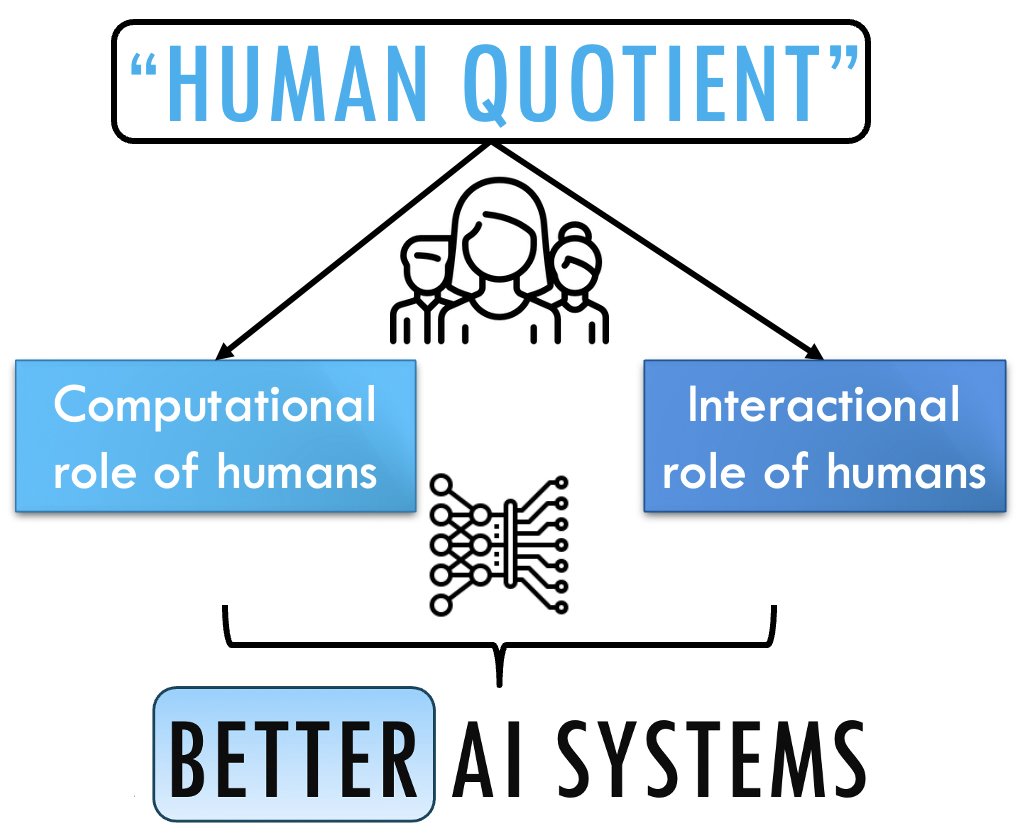
We focus on the “human quotient,” i.e., the essential role that people play in the design, development, and deployment of intelligent systems. Our work advances human-centered AI in two complementary ways:
Humans as computational partners: We study how human input, insight, judgment, and data can strengthen data‑driven AI systems. This includes designing workflows where human contributions meaningfully augment algorithmic capabilities.
Humans as interactional partners: We investigate how people engage with AI systems in real contexts, using these insights to iteratively design technologies that are more intuitive, reliable, trustworthy, and supportive.
Together, these perspectives guide our mission: to build AI systems that are guided by human insight, shaped through human interaction, accountable to human needs, and aligned with human values.
Our team comprises brilliant postdoctoral researchers, excellent PhD candidates with different academic backgrounds, external collaborators, and talented master's and bachelor’s students following one of the Computer Science tracks at TU Delft. Meet the team that keeps the lab ticking!
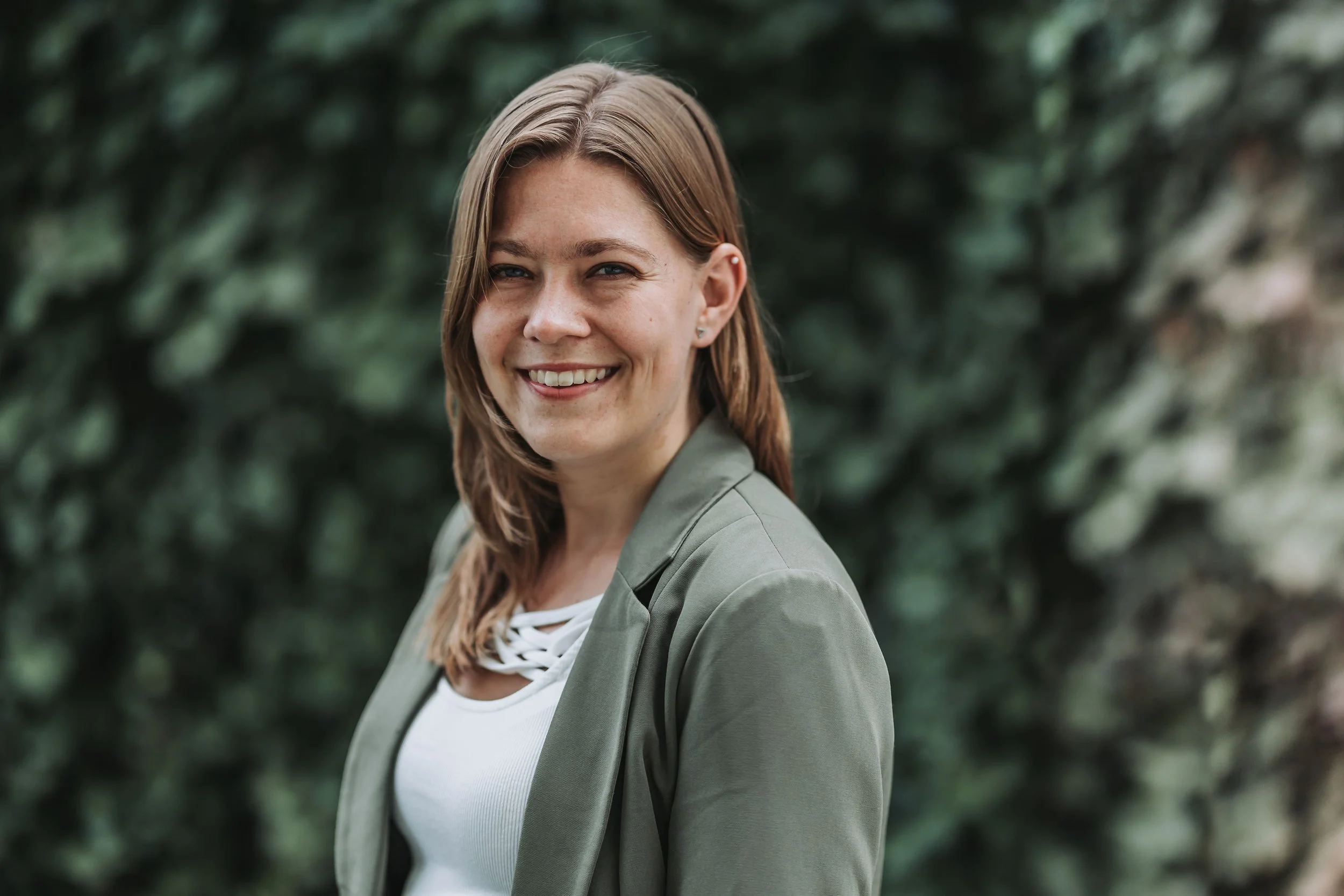

Alexander Erlei
Marije van Dalen
Postdoctoral Researcher
Postdoctoral Researcher (Guest)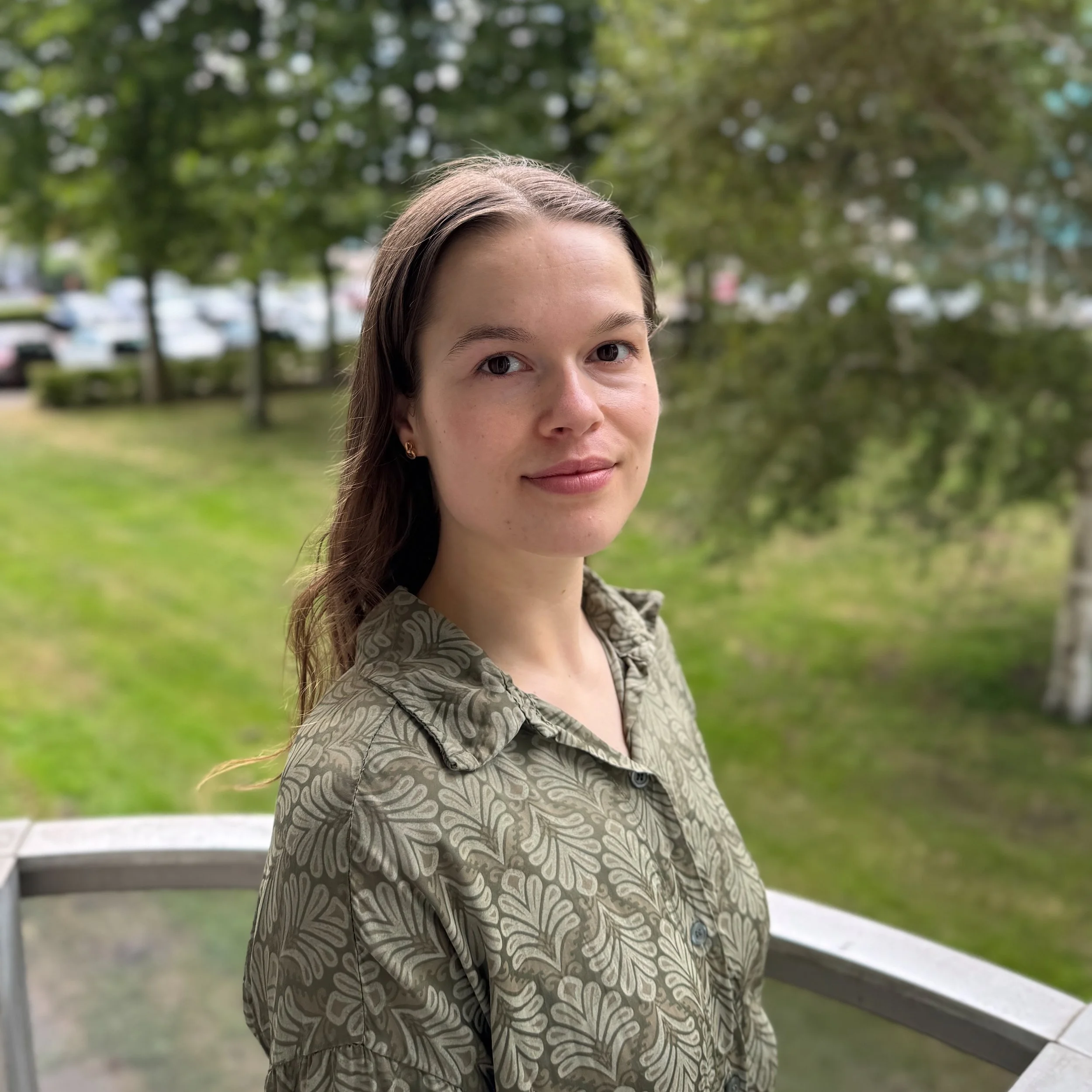
Esra de Groot
PhD Candidate
Esra’s research revolves around Human-AI decision-making, with a specific focus on the field of adolescent mental well-being. Her research is part of the ProtectMe project, which is a collaborative effort between TU Delft, Erasmus MC, and Erasmus University. The project’s aim is to use technology to prevent mental health problems among adolescents.
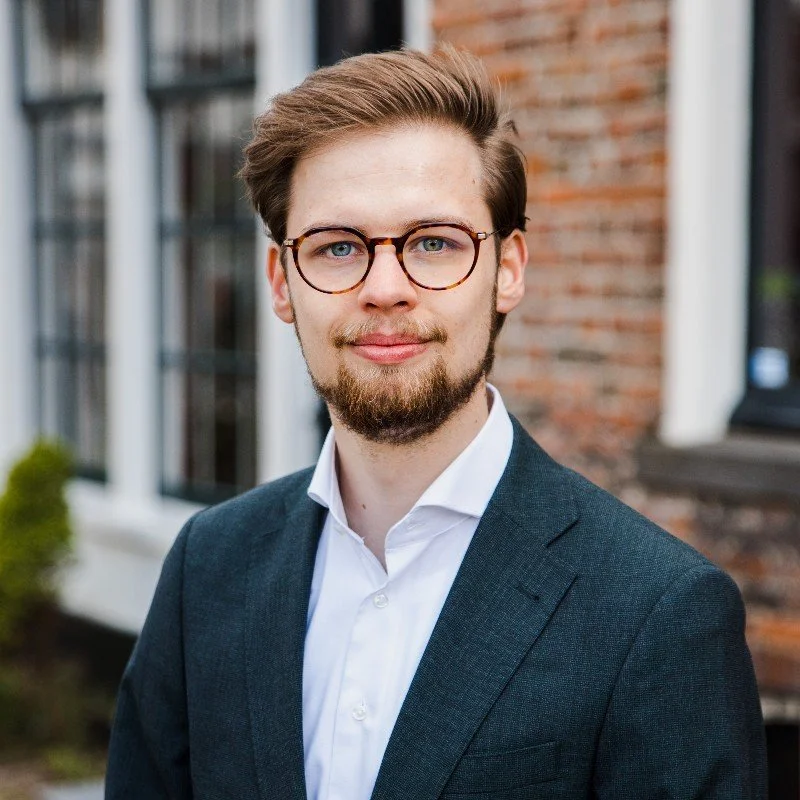
Leon van der Neut
PhD CandidateLeon works on the AI value-alignment problem from the perspective of professional practice in Dutch Government. His aim within the project is to develop the professional practice perspective on AI value-alignment and contribute to responsible practice when it comes to model usage in the Dutch government.
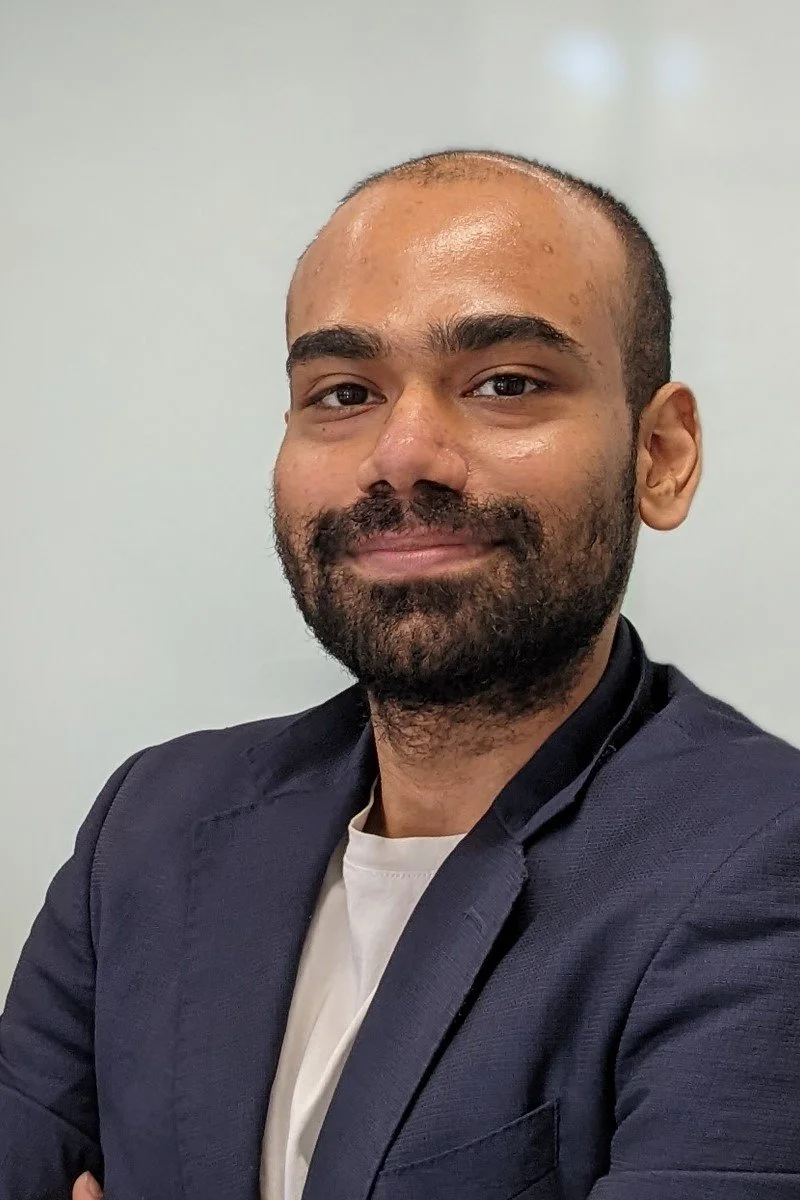
Shreyan Biswas
PhD CandidateShreyan’s work focuses on how people form, update and act on beliefs about AI systems across tasks and context. His research combines behavioural economics, and cognitive modelling to study trust calibration, delegation and choice independence in multi-task, multi-lingual AI use. He also works on AI supported decision interfaces in high stakes domain such as persuasive communication and illegal content reporting under the EU Digital Services Act. His work aims to inform the design of AI system that support user agency, robustness and accountable decision-making.
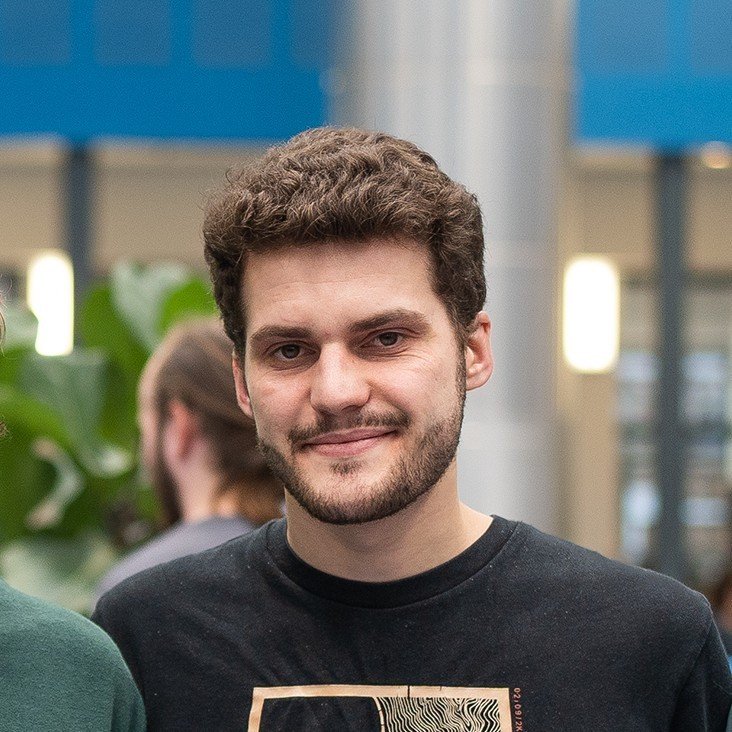
Diego Viero
(MSc. Student)
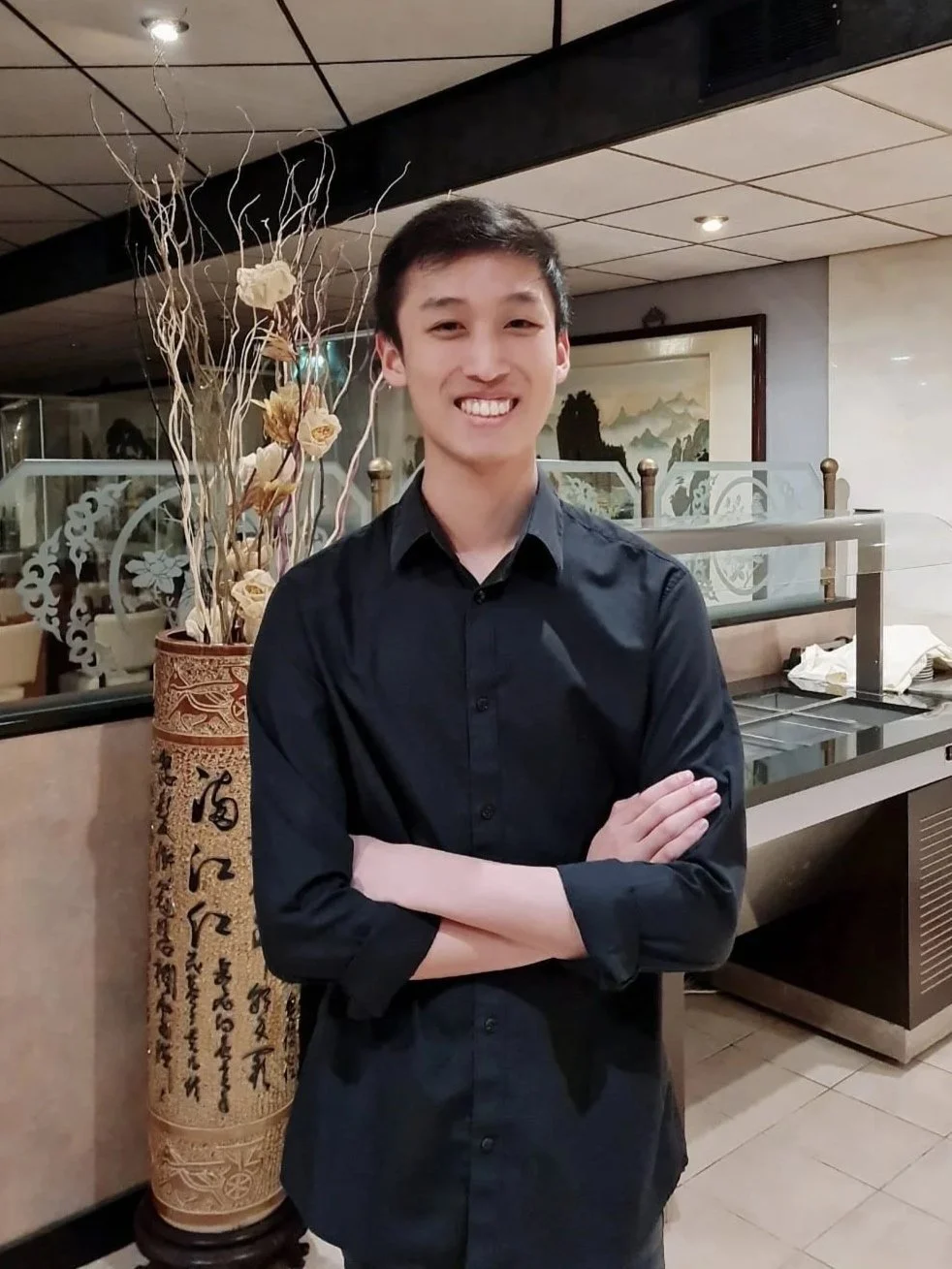
Kevin Chen
(MSc. Student)

Konstantin-Asen Yordanov
(MSc. Student)

Mohit
Valsangkar
(MSc. Student)
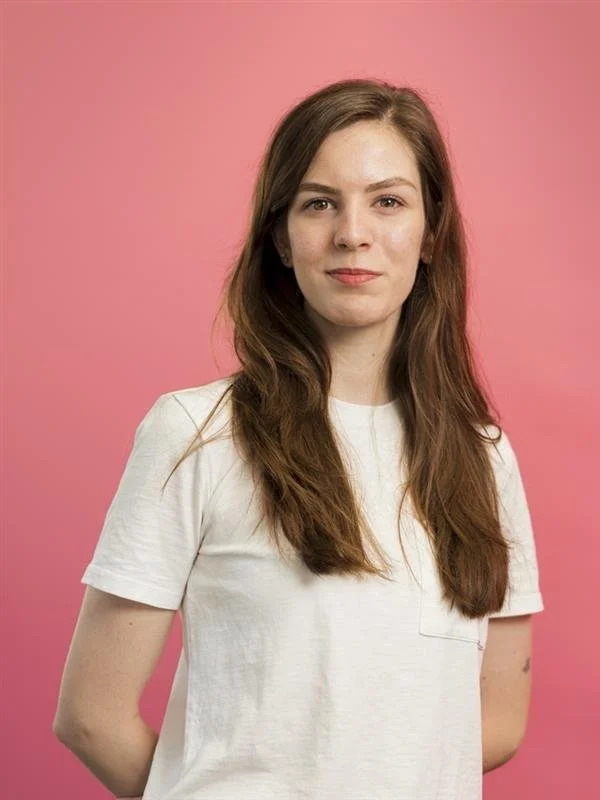
Violeta Macsim
(MSc. Student)
Victoria Leskoschek
(MSc. Student)
Zhiqiang Lei
(MSc. Student)

Razo van Berkel
(MSc. Student)

Zhiyong Zhu
(MSc. Student)
David Munteanu
(BSc. Student)

Radoslav Georgiev
(BSc. Student)
Past MSc. Thesis Projects
(examples)
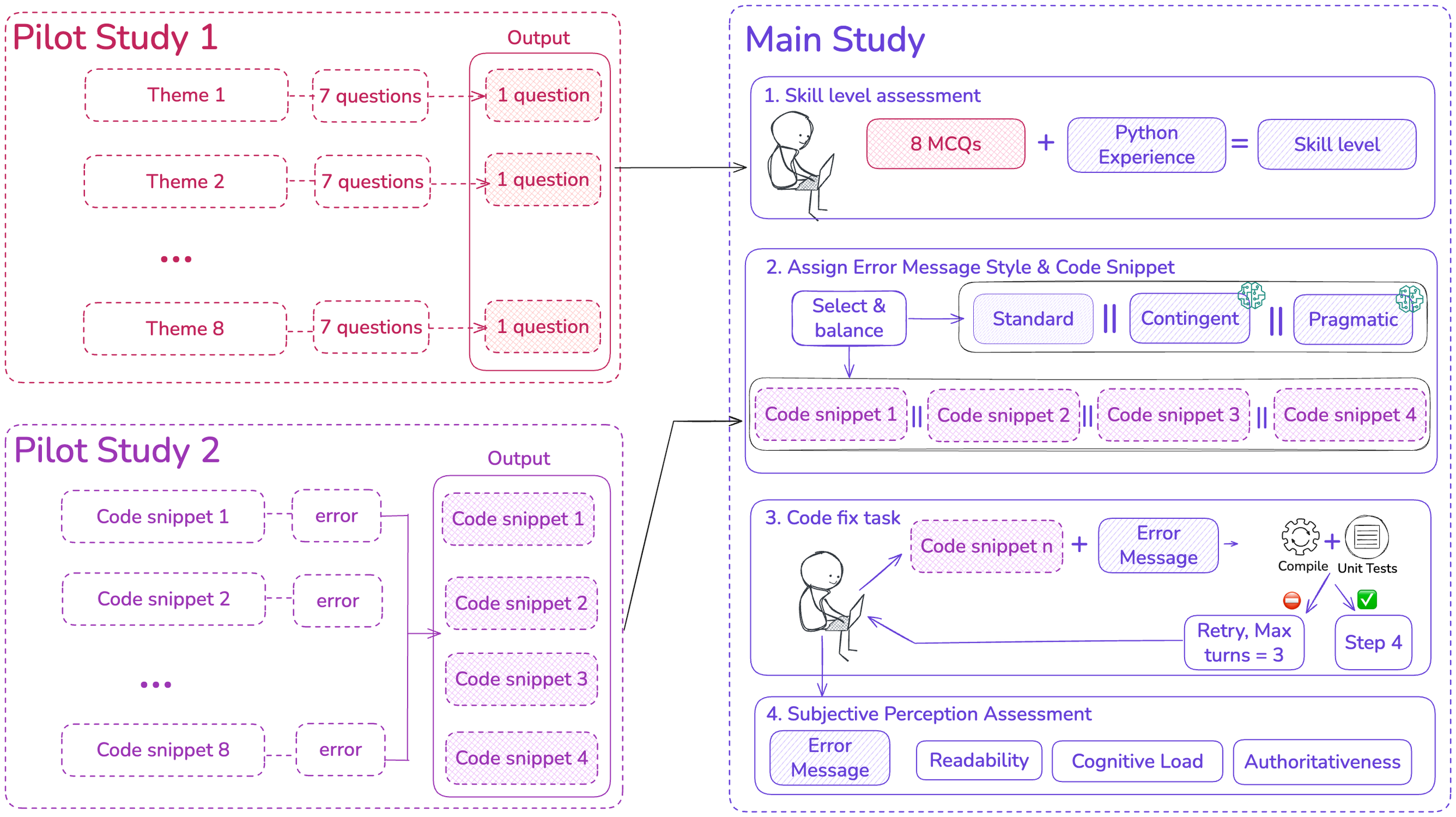
Beyond the Traceback: Using LLMs for Adaptive Explanations of Programming Errors

How do AI-generated Podcasts Influence the Opinions of Users on Debated Topics? A User-Centered Exploration

Evaluating the Efficacy and User Reliance on RAG Model Outputs: A Comparative Study with Human Experts

Empowering Users to Handle Misinformation in Podcasts
Interactive Model Explanations for Greater Intelligibility

How Emotional Expressiveness Affects Trust Formation in a Conversational Decision Support System

Understanding the Role of Explanation Modality in AI-assisted decision-making

**Complete list** of previous thesis projects.
Alumni (former PhDs, postdocs)
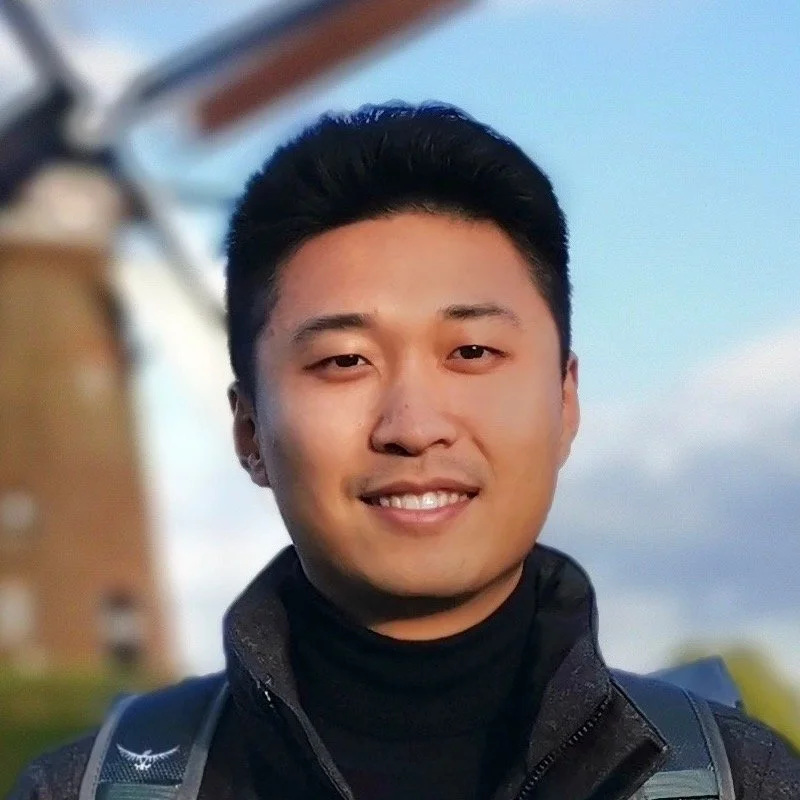
Sihang Qiu
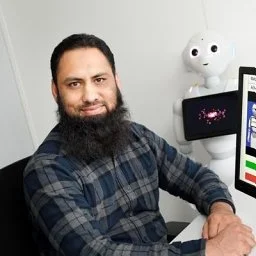
Tahir Abbas
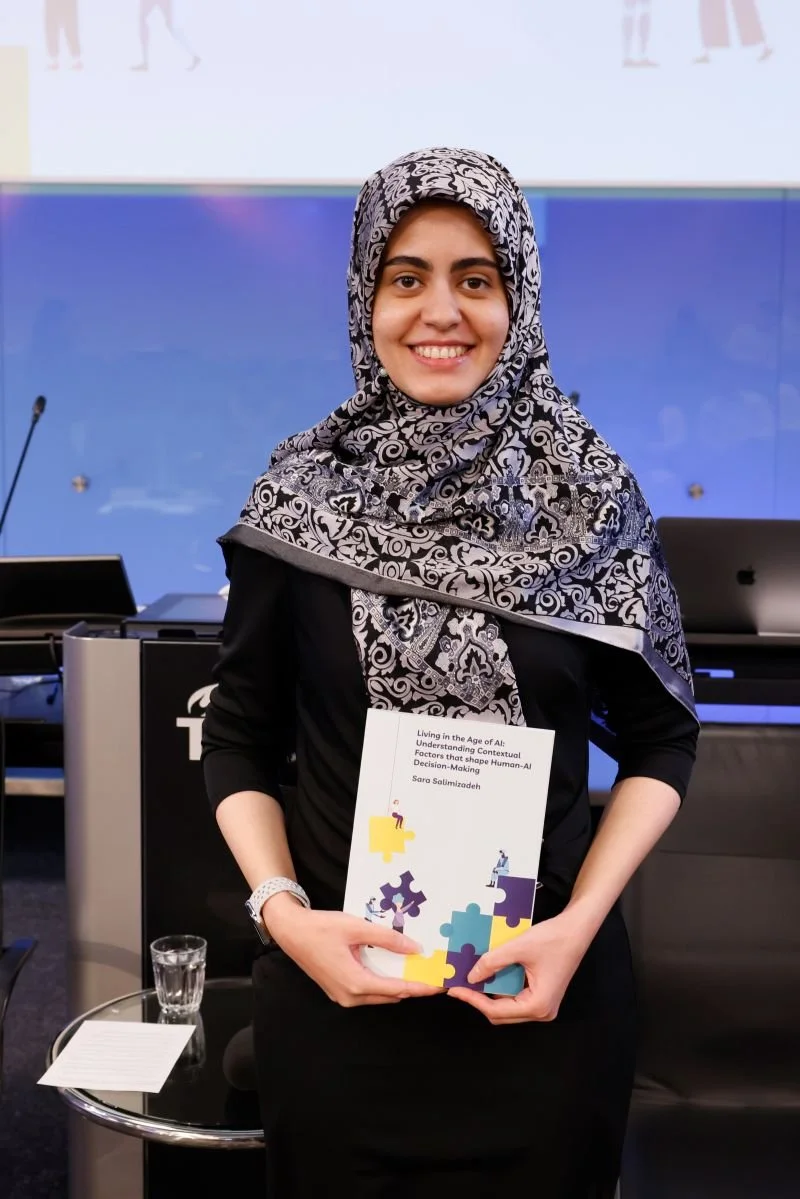
Sara Salimzadeh
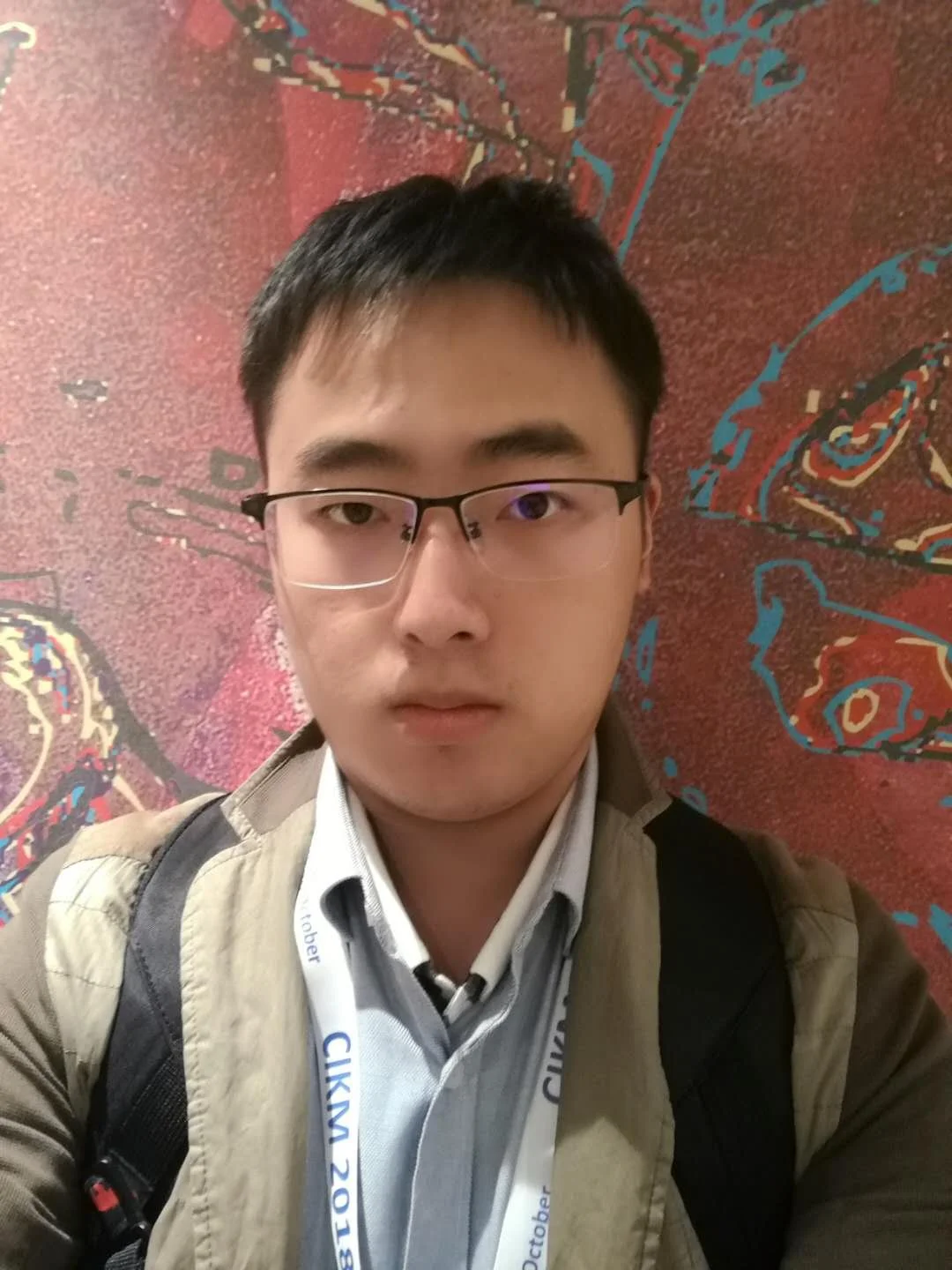
Gaole He
Join us!
We’re always excited to work with curious, motivated, and talented people who want to explore the future of human‑centered AI and human-AI interaction. Whether you’re a bachelor or master student looking for a thesis topic, a researcher seeking collaboration, or a practitioner interested in applying human‑AI insights in real‑world settings, we’d love to hear from you. The Human Quotient Lab is a place where diverse perspectives, creative ideas, and hands‑on experimentation come together. If you’re passionate about human‑AI collaboration, interactive systems, or research with real societal impact, reach out — let’s continue to build something meaningful together!