AI Alignment Workshop – A Recap!
Ujwal Gadiraju (TU Delft) and Vinoo Alluri (IIIT Hyderabad) co-organized and hosted the AI Alignment Workshop at the IIIT Hyderabad campus on the 8th of October, 2025. This was a joint effort supported by Delft University of Technology and IIIT Hyderabad.
Workshop scope — Advances in technologies have continued to leave a lasting footprint on human lives–for the better and worse. Prior research across different communities has explored how humans form values and identified some implications of different human and societal values on shaping perceptions of and interactions with technology. Human-centered methods, co-creation, value-sensitive design, participatory design, and other approaches have been proposed to imbibe stakeholder engagement into the design of new technologies and technology-driven solutions to various problems. Given the recent proliferation of generative AI and the widespread concerns around the potential harms, it is imperative to understand how we can design for human values.
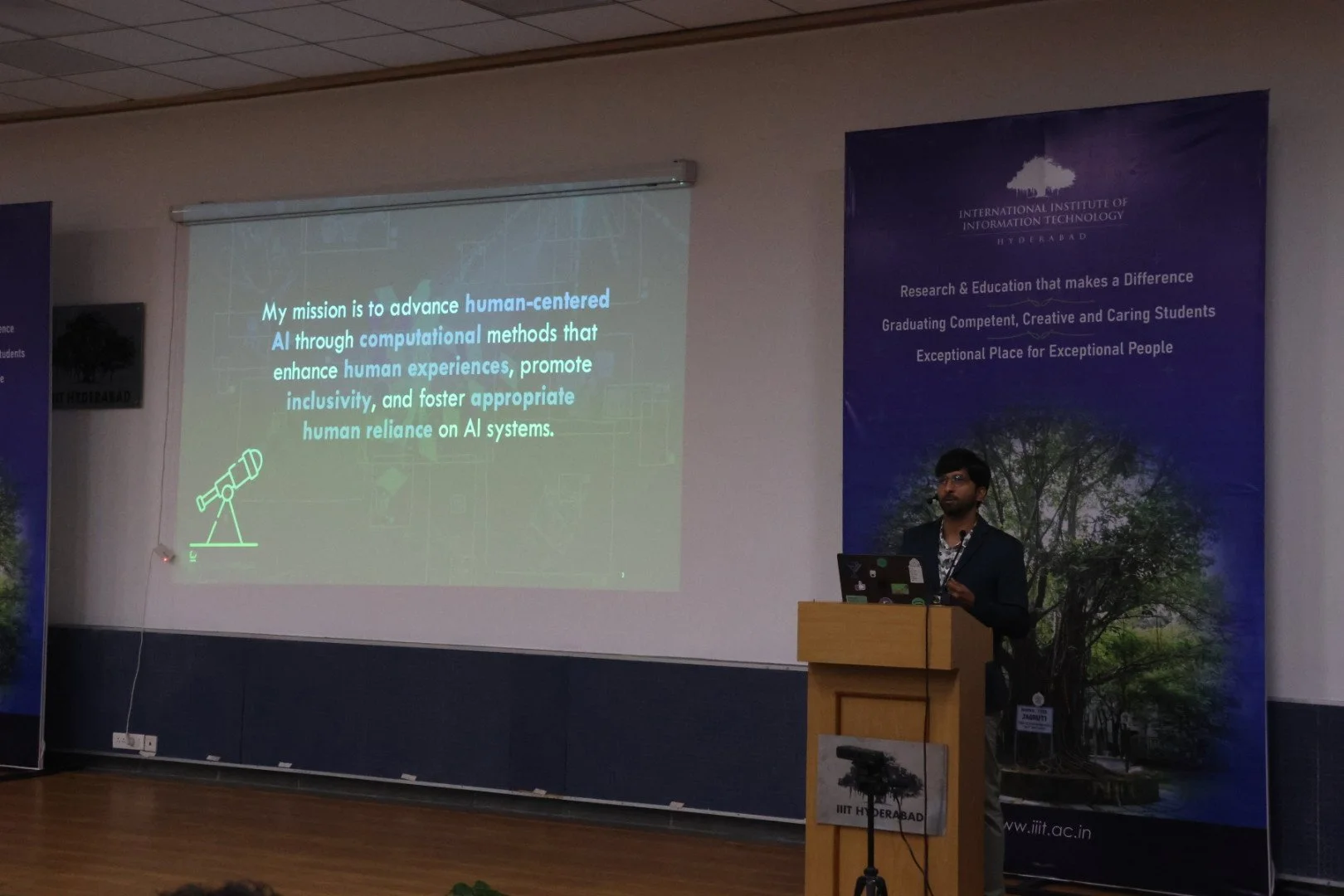
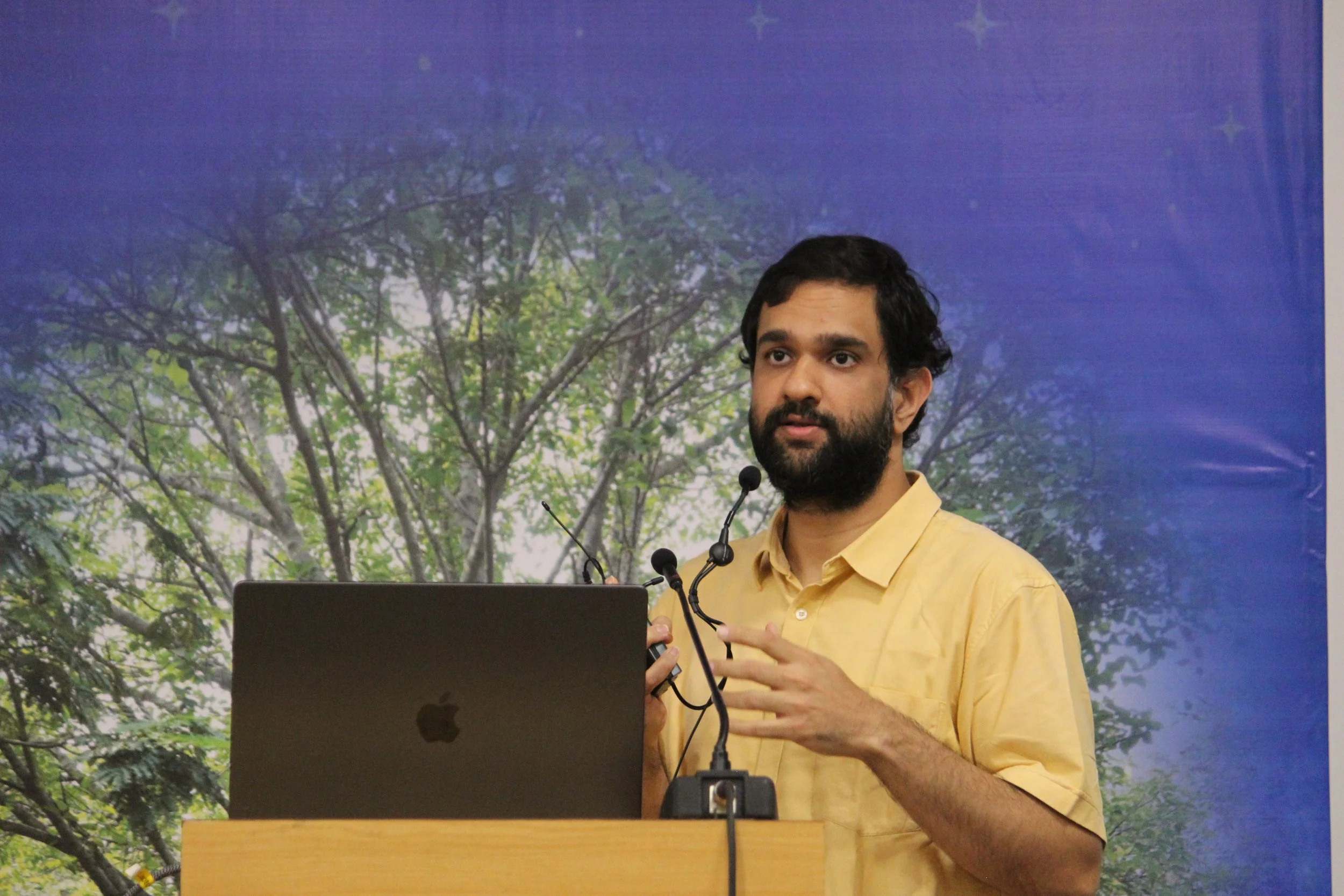
The program unfolded as a full‑day exploration of how AI can be designed, evaluated, and deployed in ways that align with and honor human values. From technical insights to cultural reflections, the sessions brought together researchers and practitioners who are shaping the future of responsible AI. The workshop was kicked off with an introduction to AI alignment and a discussion around the important role of human oversight of AI systems by Ujwal Gadiraju. He shared an HCI perspective of human oversight and how we can interpret the effectiveness of human oversight methods and processes.
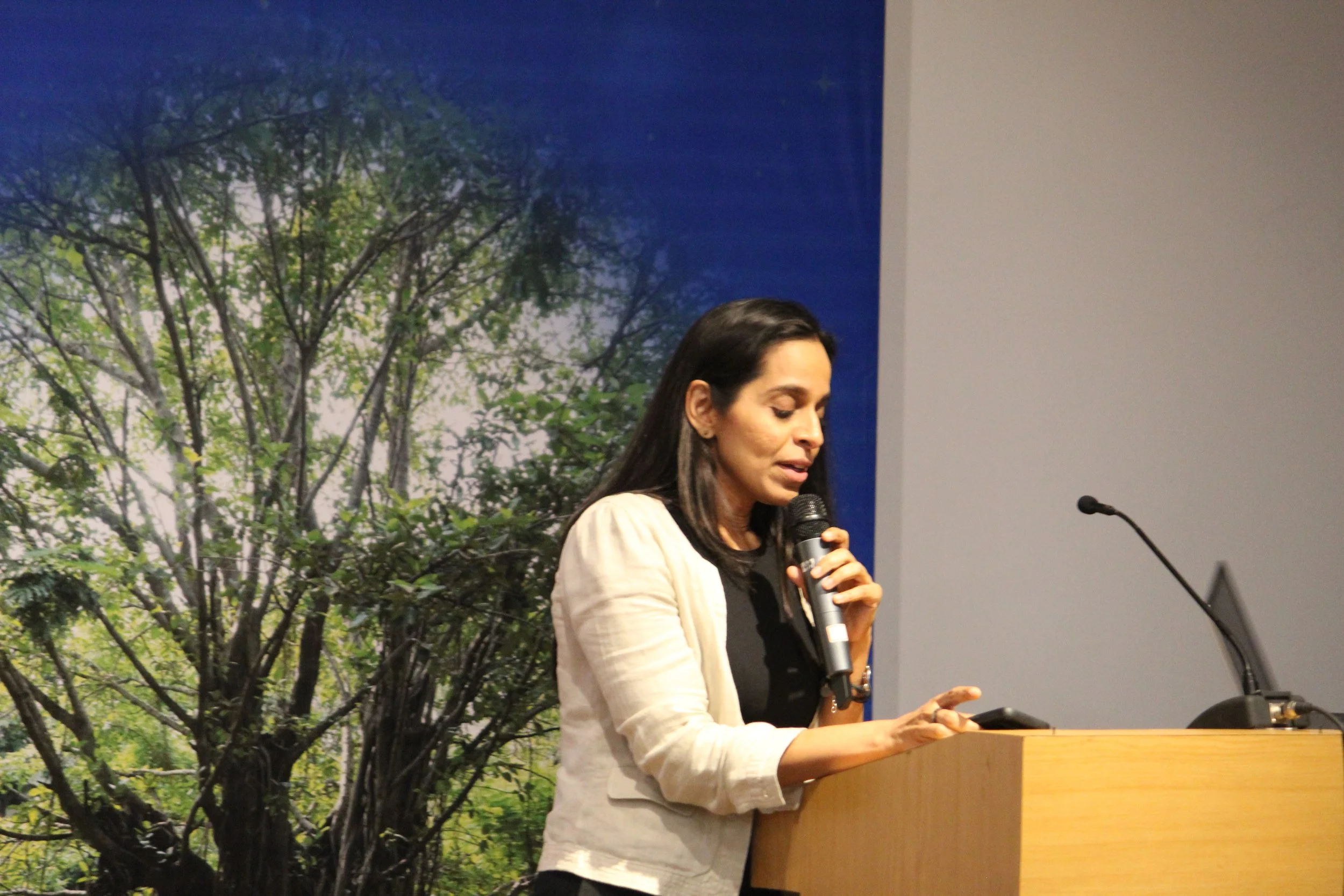
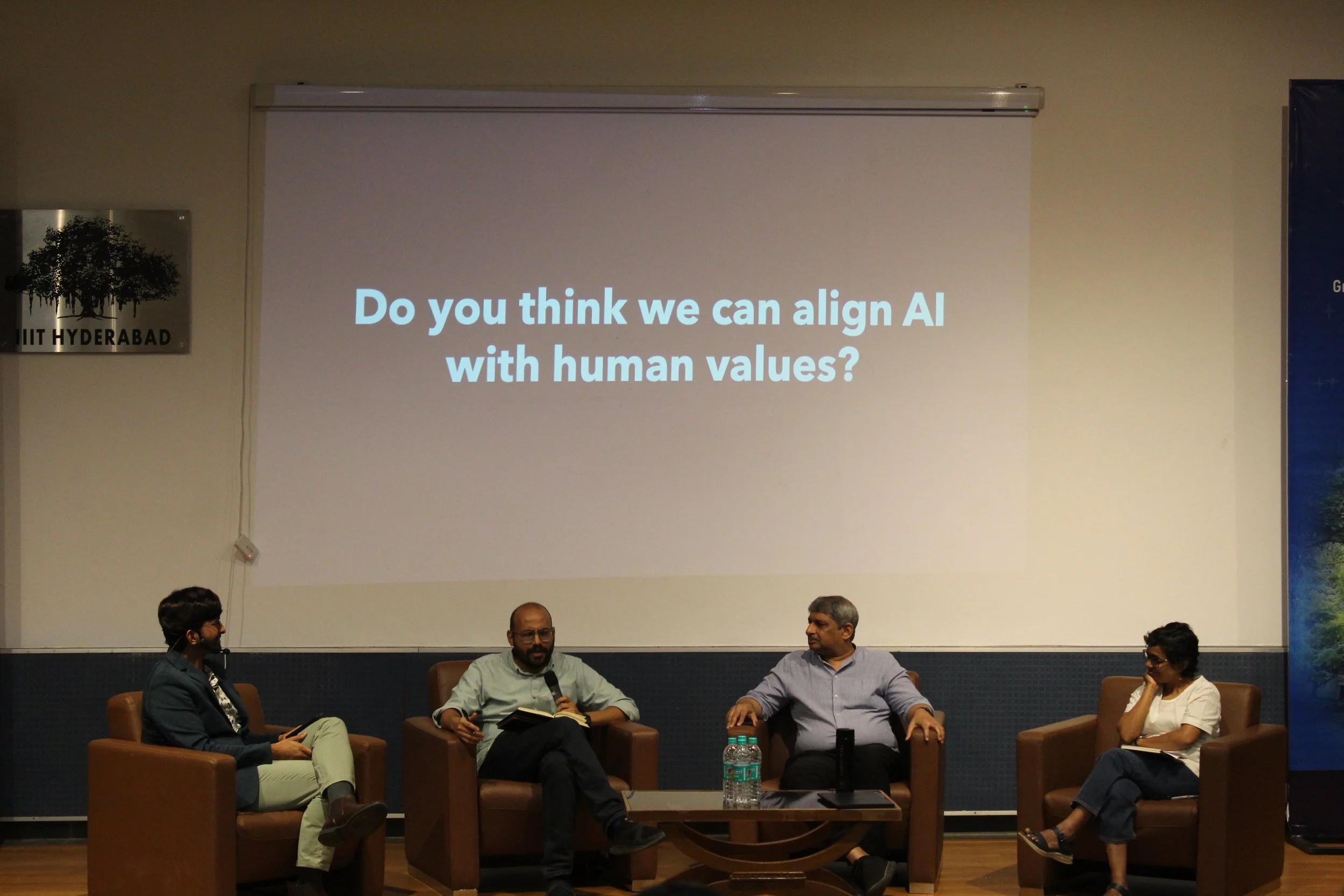
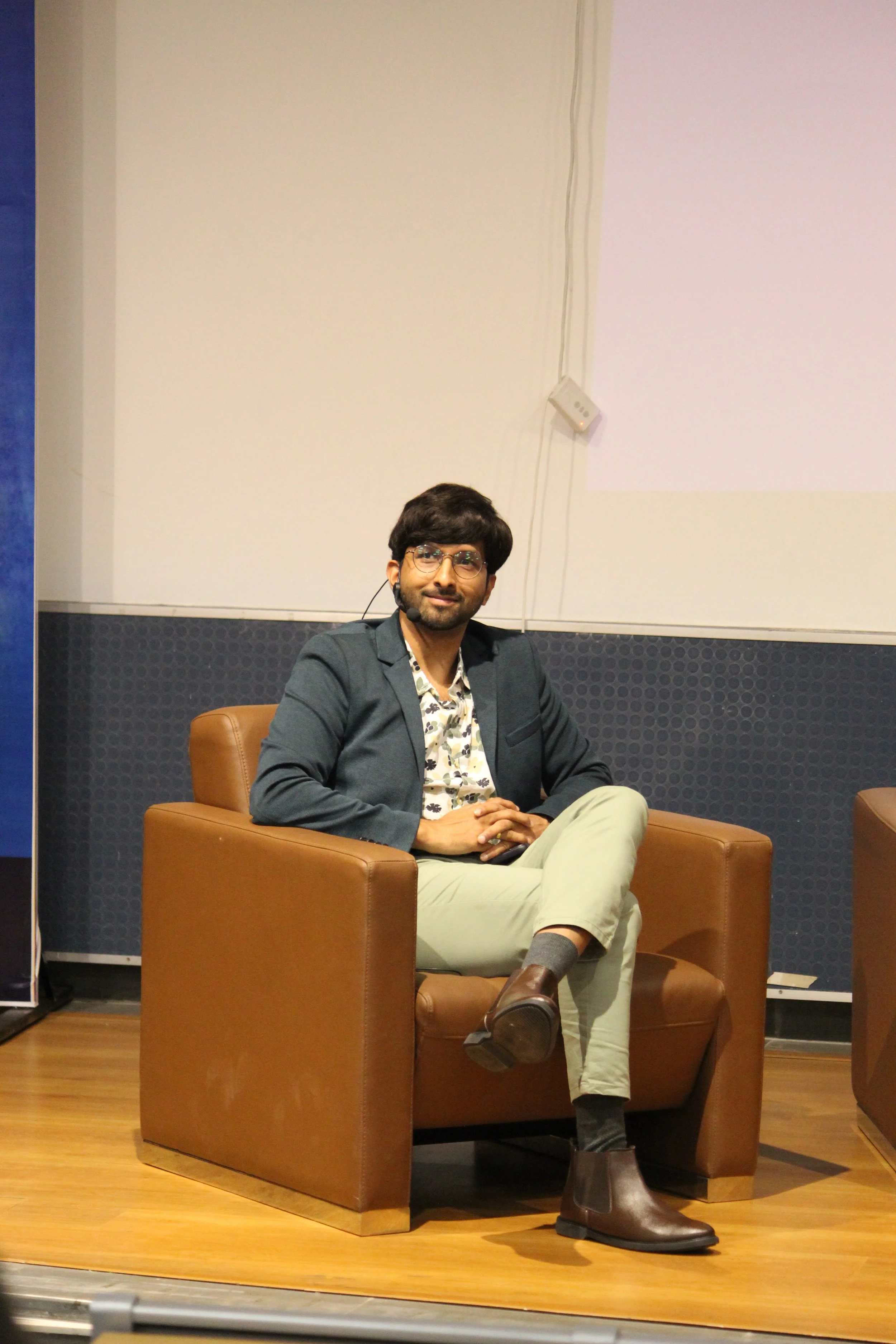
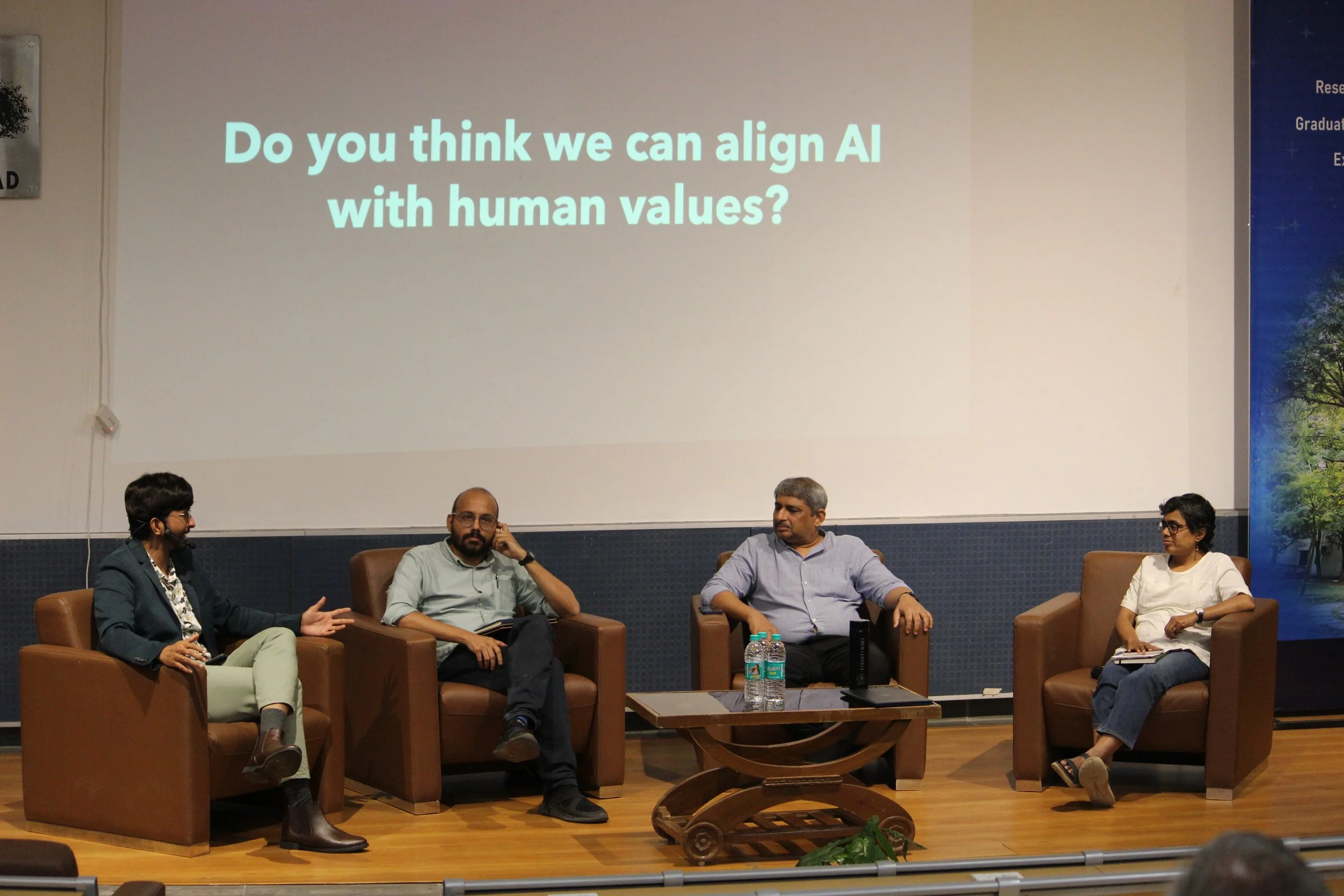
This was followed by a thought-provoking talk by Makarand Tapaswi and Daksha Dixit titled, “Learnings from Developing and Deploying AI Solutions for Social Impact." Makrand and Daksha shared key lessons they learned from some of their real-world projects at Wadhwani AI, highlighting both the promise and the practical challenges of deploying AI in real‑world, and high‑stakes environments. After a short coffee break, the conversation shifted to a lively interdisciplinary panel on AI alignment and human values. Experts Vasudeva Verma, Radhika Krishnan, and Khaliq Parkar, moderated by Ujwal Gadiraju, unpacked what it means to design AI systems that genuinely reflect human priorities rather than abstract ideals. Notably, Prof. Verma argued that alignment isn't a problem we should aim to solve; rather alignment can be seen as a continuous, socio-technical process that we should manage.
This was followed by Bapi Raju Surampudi’s fascinating take on brain–AI alignment, bridging cognitive science and machine intelligence. The afternoon opened with Nimmi Rangaswamy, who brought an anthropologist’s lens to AI, sharing stories of culture, code, and imagination that reminded us all about how deeply technology is shaped by the societies that build it. Next, Raman Saxena dived into the potential of and need for user‑centered AI, emphasizing the importance of designing systems that respect and adapt to human needs. Rishav Hada followed with a timely selection of insights on evaluating generative AI in ways that balance human values with business realities. The final talks dug into the nuances of value alignment. Anne Arzberger challenged the idea of universal values in AI, arguing for situated alignment that respects cultural and contextual differences. Closing the day, Tiffany Knearem presented a compelling vision for bidirectional human–AI alignment, where users actively shape the systems they interact with.